Water Extraction Overview
Standing water inside a home or building causes damage that compounds with every passing hour. Flooring, drywall, insulation, and personal belongings all absorb moisture rapidly, and in Florida's warm, humid climate the window between water intrusion and secondary damage is especially short. Water extraction is typically the first hands-on step a restoration professional takes — removing the bulk water before it can migrate deeper into structural materials.
Before the professionals arrive, there are a few things you can do to prepare. If it is safe to do so and the electrical panel is in a dry area, consider turning off power to the affected zone — but do not enter standing water if you are unsure whether electrical circuits are energized. Move valuables and furniture off wet floors if you can do so without risk. Note where the water entered and whether it is still actively coming in. That information will help the pros you are connected with plan their approach and give you a more accurate quote.
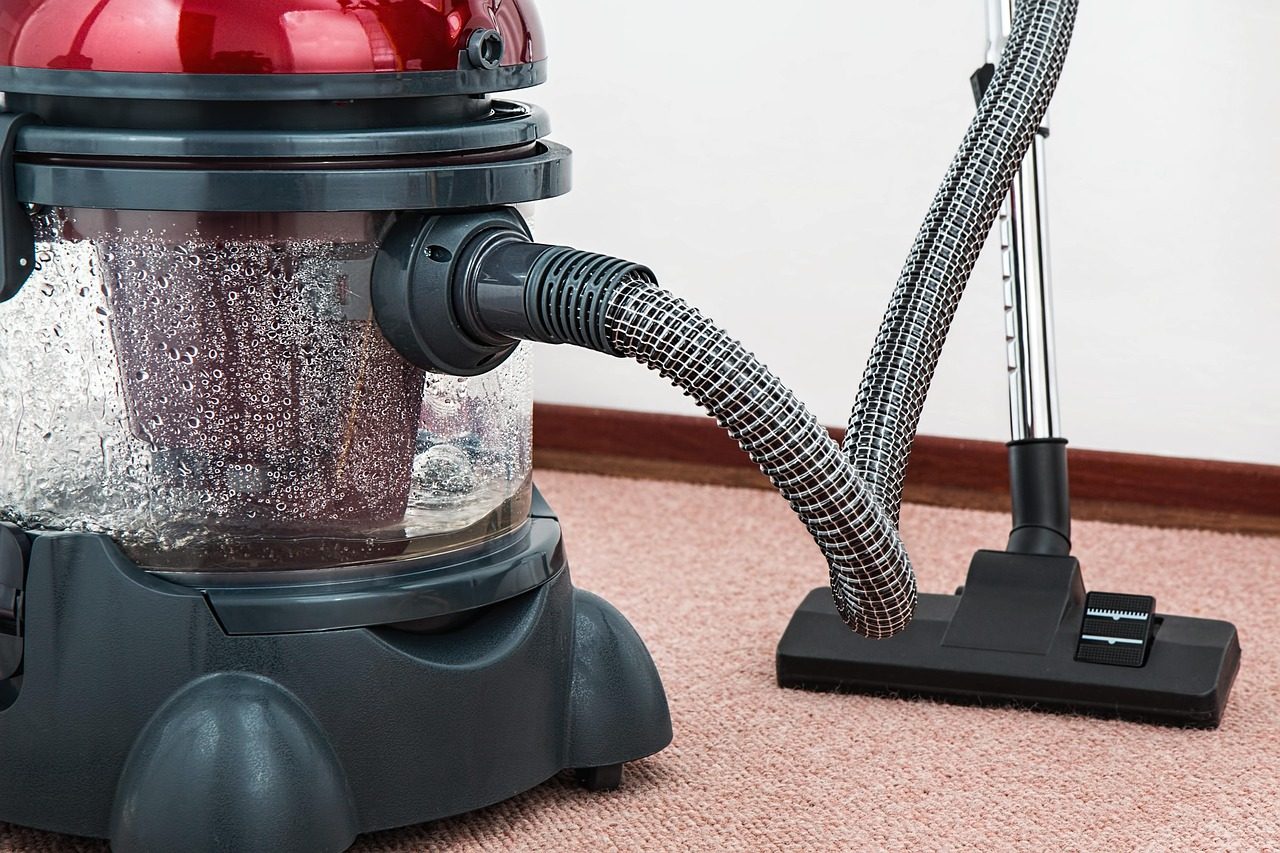
- Truck-mounted and portable extraction equipment can remove large volumes of standing water from floors, carpets, and crawl spaces
- Extraction professionals assess water category (clean, gray, or black water) before beginning work, as this affects safety protocols
- Subflooring and wall cavities may retain moisture even after surface water is removed and typically require further drying steps
- Slab-on-grade construction common in Port St. Lucie means water can spread laterally under flooring with few barriers to slow it
- Prompt extraction reduces the likelihood of secondary damage, including mold growth, swelling, and structural deterioration
 Sample photo